



Strategy
Strategy

Market context

The market in which Rai Way operates is influenced by trends in the media and digital infrastructure sectors


Media Sector

Video
  • Growth in media consumption driven by OTT, mobile device enjoyment and younger generations
  • Evolution of the media mix toward digital and on-demand, but with linear TV maintaining its relevance by remaining the platform with the largest audience and advertising revenue
  • Growth in services for IP distribution of content (eg. Content delivery networks) as traffic volumes continue to increase


Radio
  • Extension of DAB coverage, partly due to the increased availability of frequencies generated by the "refarming process" of TV frequencies


The sustainability of digital terrestrial

Traditional TV maintains a constant presence in the lives of Italians.

Even in the face of the strong growth in recent years of OTT and mobile device fruition, digital terrestrial is confirmed as the reference platform in Italy, with an extremely resilient audience (about 9 million viewers throughout the day) and a constant share of 86 percent of TV broadcasters' advertising sales (2023 data). This performance finds both historical reasons - related to the relevance of Free versus Pay viewing - and technical reasons.

Since the 1980s and the spread of commercial TV, Italy has established itself as a mainly Free-to-Air market and broadcast (first analog and then digital terrestrial) has been the reference platform for the distribution of free content, also acquiring a strong social value. Cable TV has not been developed, while satellite is mainly used for pay TV and, where necessary, to supplement DTT coverage in unreached areas.

Even today, the majority of Italian households access TV content through DTT as their primary platform.

This feature makes DTT less attackable by other platforms, including broadband platforms, which still entail a cost (for access to the platform or for the availability of broadband connection).

Even within the Free-to-Air market, growth in video consumption is driven by "on-demand" and "mobile" fruition, which are not based on digital terrestrial broadcast technology.
However, considering, on the one hand, consumers' preference for TV over other devices and, on the other hand, the clear polarization between fruition modes and types of content ("on-demand" for non-live and deferable content, such as movies and TV series, and "linear" for non-deferable live content directed to a wide audience, such as news, sports and entertainment), a scenario based on the coexistence of different platforms can be foreseen in the future.

In fact, for linear distribution-particularly of the offerings of so-called "traditional broadcasters" (characterized by a significant portion of live events throughout the day)-broadcasting continues to be an efficient solution in terms of cost and capacity utilization.

These factors, together with the expected slowdown in the growth of OTT platforms and the universal coverage requirements of the Public Service, lead to confirmation of the long-term view of coexistence of different platforms, reaping the benefits:

  • Of the broad coverage and audience of the broadcast
  • Of the flexibility and customization of broadband


Digital Infrastructure Sector

Tower
  • Hospitality growth driven mainly by densification of 5G networks, FWA and extension of digital radio networks
  • Polarization of mobile device hospitality toward TowerCos "anchor" devices
  • Established trend of tower spin-offs, with multiple M&A initiatives and use of leverage
  • TowerCos' drive for diversification through new business initiatives in order to leverage available assets and expertise
  • Possible challenges from consolidation of mobile operators and/or their radio access networks (RAN-sharing)
Data Center
  • Increased data traffic and Cloud services
  • Growth of low-latency services in the area of critical applications
  • GDPR legislation, which places strict rules on the protection of personal data
  • Offer still limited and fragmented (particularly in the Italian market)


Industrial Plan 2024-2027

In consideration of the market context, On March 25, 2024, the Board of Directors of Rai Way approved the Industrial Plan 2024 - 2027, which describes the company's lines of development and sets economic and financial targets to 2027.


Growth Strategy and Initiatives


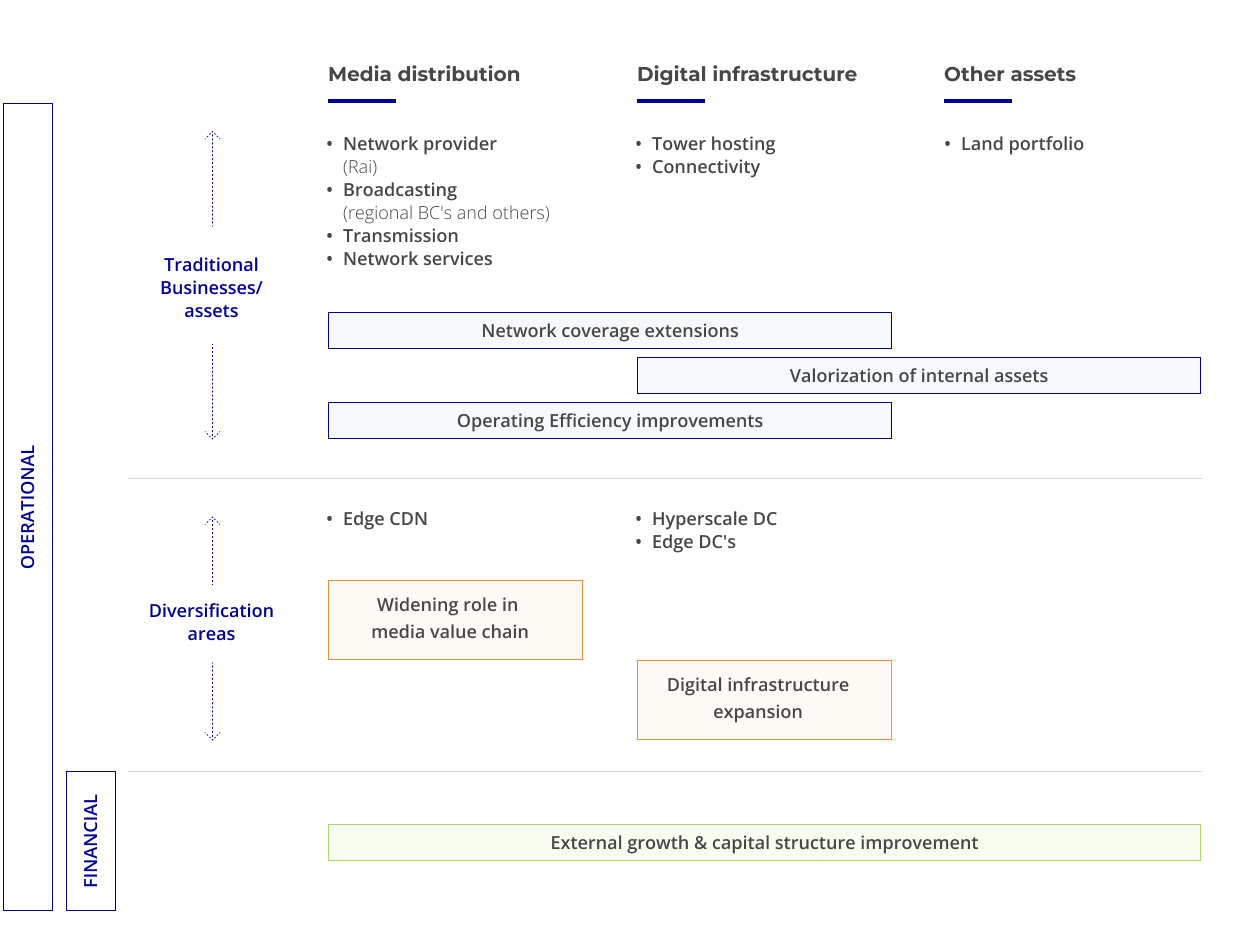
Traditional business

The assets and activities on which Rai Way has traditionally built its history and identity continue to offer related development opportunities:

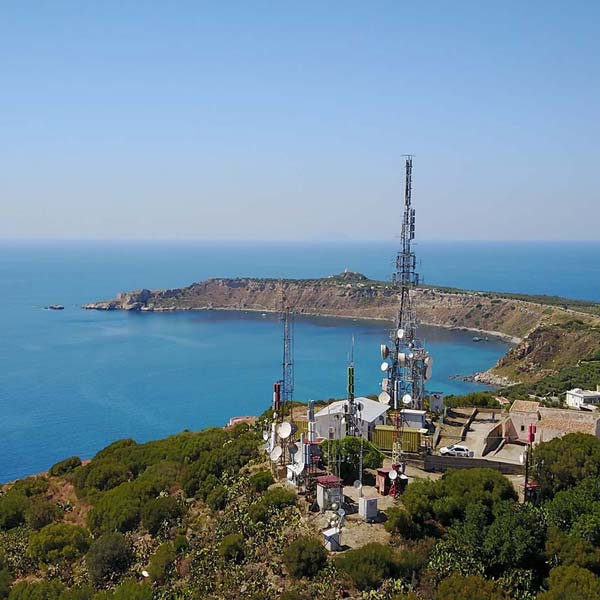
  • to the extension of telecommunications networks, mainly radio and mobile, impacting both the volume of media network management activities (for RAI and third parties) and tower hosting;
  • to a better valorization of corporate assets, including the transmission network consisting of 6,000 km of proprietary fiber optic network, satellites and radio links, as well as the large portfolio of land, for example, including through the construction of photovoltaic power generation facilities;
  • to further improvements in operational efficiency related to the evolution of the operating and maintenance model for sites and optimization of the real estate footprint.

Diversification initiatives

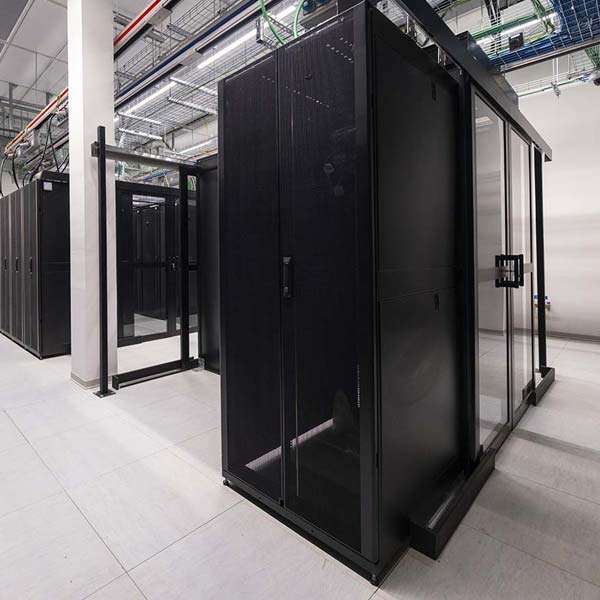
On the new assets and services-which include a network of edge data centers under development in major areas of the country, a hyperscale data center to be built in the Rome area, and an edge CDN for IP distribution of content throughout the country-priorities lie in speed and successful execution.


Growth by external lines

In addition to the organic investment plan, the Company's financial flexibility will allow it to pursue growth by external lines as a pillar of the strategy, while continuing to ensure adequate shareholder remuneration.

M&A will serve both as a means of achieving industrial synergies, increasing the efficiency and cash generation of the traditional business, and as an accelerator of the time-to-market of new diversification initiatives.